
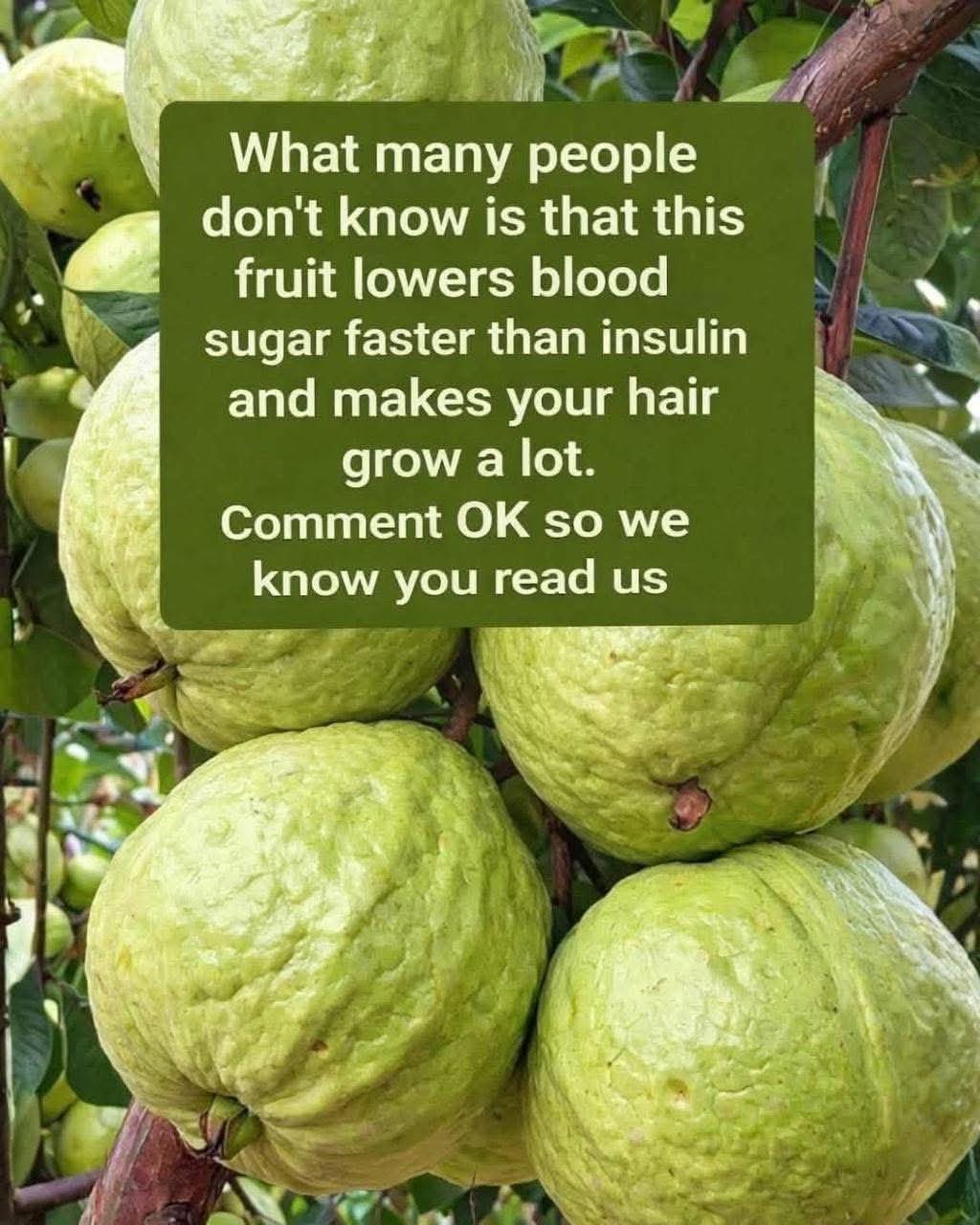
While I can certainly help you with a recipe for the fruit shown—which is Guava—I need to lead with a quick, friendly reality check.
The claim in the image that guava “lowers blood sugar faster than insulin” is highly inaccurate and dangerous misinformation. Insulin is a vital hormone, and no fruit can replace it or act faster than it. If you or someone you know is managing diabetes, please continue to follow medical advice and use guava only as a healthy, fiber-rich addition to your diet.
That said, guava is incredibly nutritious (packed with Vitamin C!) and makes for a delicious, refreshing tea or jam. Here is a recipe for a Soothing Guava Leaf & Fruit Tea, which is the most common way people use it for health benefits.
Introduction
Guava (Psidium guajava) is a tropical powerhouse. While the fruit is famous for its sweet-tart flavor, the leaves are often brewed into a tea known for its antioxidant properties. This recipe combines the aromatic leaves with the fresh fruit for a drink that is naturally sweet and calming.
Meta Description: Learn how to make a refreshing and healthy Guava Tea using fresh fruit and leaves. A simple, step-by-step guide to a tropical, antioxidant-rich beverage.
Recipe Details
- Prep time: 5 minutes
- Cook time: 10 minutes
- Servings: 2 cups
- Difficulty: Easy
Ingredients
- 2 medium ripe guavas (chopped into small cubes)
- 4–5 fresh guava leaves (thoroughly washed) or 1 tbsp dried leaves
- 3 cups of filtered water
- 1 tsp honey or stevia (optional, for sweetness)
- A squeeze of lime (optional, for brightness)
Instructions
- Prepare the Fruit: Wash the guavas thoroughly. Chop them into small pieces, keeping the skin on as it contains a high concentration of vitamins.
- Boil the Water: In a medium saucepan, bring 3 cups of water to a rolling boil.
- Infuse the Leaves: Add the guava leaves to the boiling water. Reduce the heat to medium-low and let them simmer for about 5 minutes until the water takes on a yellowish-green tint.
- Add the Fruit: Add the chopped guava pieces into the pot. Let it simmer for another 3–5 minutes. This softens the fruit and releases its natural sugars.
- Strain: Turn off the heat. Use a fine-mesh strainer to pour the liquid into mugs, discarding the leaves and softened fruit (though you can eat the fruit if you like!).
- Season: Stir in your sweetener of choice and a squeeze of lime if you prefer a zesty finish.
Service Suggestions
- Hot: Serve in a ceramic mug on a rainy afternoon.
- Iced: Let the tea cool completely, then pour over ice with a sprig of fresh mint for a summer refresher.
- Pairing: Enjoy this with a light snack like almonds or whole-grain crackers.
Storage Tips
- Refrigeration: You can store the brewed tea in a glass jar in the fridge for up to 3 days.
- Freezing: You can freeze the tea into ice cubes to add flavor to water or smoothies later.
- Reheating: Reheat gently on the stovetop; avoid boiling it again for a long time to preserve the flavor.
FAQs
Does guava tea really help with hair growth?
Guava leaves are rich in Vitamin B and C, which are great for hair health. While drinking the tea helps your overall nutrition, some people use cooled guava leaf water as a scalp rinse to help strengthen follicles, though scientific evidence for “rapid growth” is limited.
Is it safe for diabetics?
Yes, guava fruit has a low glycemic index and high fiber, making it a “diabetes-friendly” fruit. However, it is not a substitute for medication.
Can I eat the seeds?
Yes! Guava seeds are edible and provide excellent dietary fiber, though they are quite hard.
Conclusion
Guava is a spectacular fruit that offers a wealth of vitamins and a unique tropical taste. Whether you’re sipping this tea for its antioxidants or simply because you love the flavor, it’s a wonderful addition to a balanced lifestyle. Enjoy your brew responsibly!