
Meta Description
Learn how to make the ultimate creamy milk cake with this step-by-step recipe. Discover ingredients, tips, serving suggestions, and FAQs for a decadent dessert.
Table of Contents
Introduction
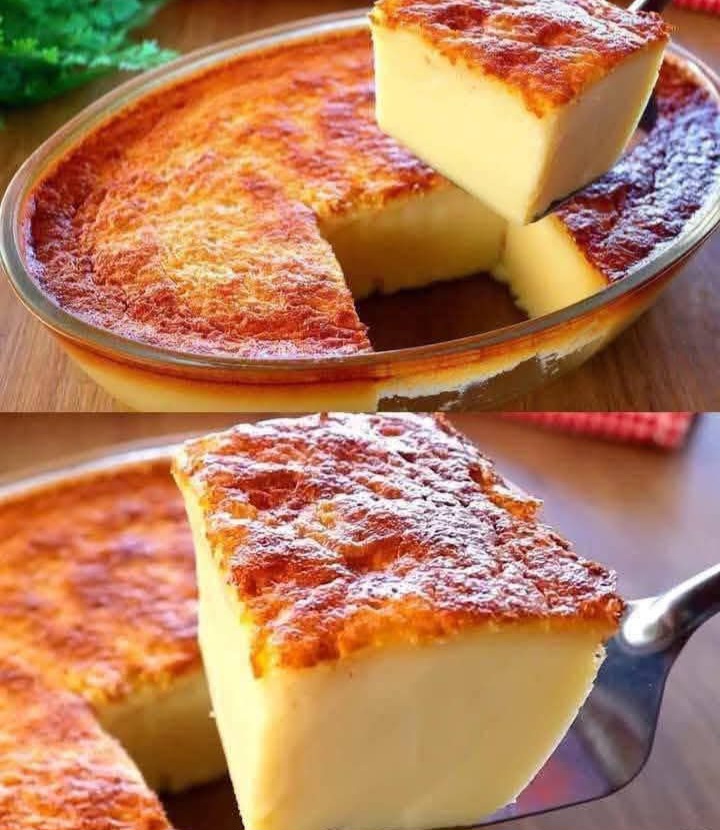
There is something genuinely magical about a dessert that practically melts the moment it touches your tongue. This creamy milk cake—often reminiscent of classic baked custards, Turkish sütlü tatlılar, or ultra-moist tres leches variations—combines a rich, velvety texture with a beautifully caramelized, golden top. Whether you are hosting a dinner party or simply craving a comforting, milky sweetness on a cozy evening, this impressive yet surprisingly simple treat is bound to become an instant favorite in your recipe rotation.
Ingredients
- Whole Milk: 4 cups (1 liter), full-fat for the best creamy consistency
- Granulated Sugar: 3/4 cup (adjust slightly depending on your sweetness preference)
- Cornstarch: 1/2 cup, used to thicken the base into a lush custard-like crumb
- All-Purpose Flour: 3 tablespoons, to give the cake structural balance
- Unsalted Butter: 2 tablespoons, added at the end for extra richness and gloss
- Vanilla Extract: 1 tablespoon, or 1 vanilla bean pod scraped for deeper flavor
- Egg Yolks: 2 large eggs (optional, but adds an extra layer of custard-like depth)
- A Pinch of Salt: To balance the sweetness
Instructions (Step by Step)
- Prep your baking dish: Lightly grease an 8-inch round or square baking dish (or an oval ceramic dish similar to traditional styles) with butter or a neutral oil to ensure easy slicing later.
- Whisk the dry ingredients: In a heavy-bottomed saucepan, whisk together the cornstarch, all-purpose flour, granulated sugar, and a pinch of salt until well combined and free of lumps.
- Incorporate the milk: Gradually pour in the whole milk while whisking continuously. Starting with a small splash and working your way up prevents the cornstarch from forming stubborn lumps.
- Add aromatics and enrichment: Stir in the vanilla extract and drop in the egg yolks (if using). Whisk thoroughly until the liquid is entirely smooth and uniform in color.
- Thicken on the stove: Place the saucepan over medium heat. Stir constantly with a spatula or whisk, making sure to scrape the bottom and corners so it doesn’t scorch.
- Achieve the custard stage: Continue cooking for about 6 to 8 minutes until the mixture thickens significantly into a smooth, glossy, heavy pudding consistency.
- Stir in the butter: Remove the pan from the heat immediately and stir in the 2 tablespoons of unsalted butter until completely melted and incorporated into the hot cream base.
- Pour and smooth: Transfer the thick mixture directly into your prepared baking dish. Smooth out the top with a spatula so it sits evenly.
- Bake for the golden crust: Preheat your oven to 200°C (400°F). Place the baking dish in the oven and bake for approximately 25 to 35 minutes. You are looking for the top to develop deep golden-brown, caramelized spots. (If your oven has a broiler function, you can flash it under the broiler for the final 2 to 3 minutes to speed up the browning process, watching closely so it doesn’t burn).
- Cool and set: Remove from the oven and let it cool completely at room temperature. Afterward, transfer the dish to the refrigerator for at least 3 to 4 hours (or overnight) to allow it to firm up into clean, sliceable pieces.
Service Suggestions
- Fresh Fruit: Top each chilled slice with a handful of fresh summer berries like raspberries, strawberries, or blackberries to add a bright, tart contrast to the rich milk flavor.
- Dusting: Give the slices a light dusting of cinnamon or powdered sugar right before serving for an aromatic touch.
- Sauces: Drizzle a little caramel sauce, dulce de leche, or a fruit coulis over the plate for an extra layer of decadence.
Storage Tips
- Refrigeration: Store any leftover cake covered tightly with plastic wrap or in an airtight container inside the refrigerator. It will keep fresh for up to 4 to 5 days.
- Freezing: Because of its high dairy and cornstarch content, freezing is not recommended, as it can alter the smooth custard texture and cause separation upon thawing.
FAQs
Can I make this cake gluten-free? Yes! You can substitute the all-purpose flour with an equal amount of cornstarch or a 1:1 gluten-free baking flour blend.
Why did my milk cake curdle or form lumps? Lumps usually happen if the milk is added too fast to the dry ingredients or if the heat is too high initially. Always whisk the milk in gradually and keep the heat at a steady medium while stirring constantly.
Does this cake need to be served cold? While you can eat it at room temperature once set, it is traditionally served thoroughly chilled straight from the refrigerator, which enhances its firm, creamy texture.
Conclusion
This creamy milk cake proves that you don’t need complicated ingredients to create an extraordinary dessert. With its velvety interior and beautifully baked top, it offers a luxurious experience with every single bite.