
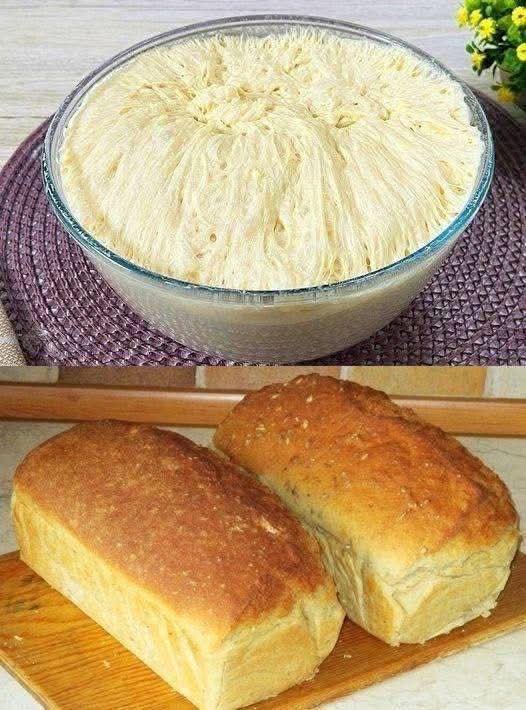
There is nothing quite like the aroma of fresh bread wafting through the house. This Warm Butter Yeast Bread is the gold standard for home baking—boasting a cotton-soft interior, a rich buttery flavor, and a golden crust that shatters perfectly under a knife. Whether you’re a seasoned baker or a beginner, this recipe is designed to be foolproof and rewarding.
Meta Description: Master the art of baking with our Warm Butter Yeast Bread recipe. Learn how to achieve a pillowy texture and rich flavor with easy step-by-step instructions.
Ingredients
| Ingredient | Quantity | Notes |
|---|---|---|
| All-Purpose Flour | 4 to 4.5 cups | Plus extra for dusting |
| Warm Milk | 1.5 cups | Ideally 40°C to 45°C |
| Unsalted Butter | 6 tbsp | Melted and slightly cooled |
| Granulated Sugar | 3 tbsp | To feed the yeast and add flavor |
| Active Dry Yeast | 2.25 tsp | One standard packet |
| Salt | 1.5 tsp | Fine sea salt works best |
| Egg | 1 large | Room temperature |
Step-by-Step Instructions
1. Bloom the Yeast
In a large bowl (or the bowl of a stand mixer), combine the warm milk, sugar, and yeast. Stir gently and let it sit for about 5–10 minutes until the mixture becomes foamy.
2. Mix the Dough
Whisk in the melted butter, egg, and salt. Gradually add 4 cups of flour, one cup at a time, mixing with a wooden spoon or dough hook until a shaggy dough forms.
3. The Kneading Process
- By Hand: Turn the dough onto a floured surface. Knead for 8–10 minutes until smooth and elastic.
- By Mixer: Use the dough hook on medium-low speed for about 5–7 minutes.
- Tip: The dough should be slightly tacky but should not stick to your fingers.
4. The First Rise
Place the dough in a lightly greased bowl. Cover with a damp cloth or plastic wrap. Let it rise in a warm, draft-free spot for 1 to 1.5 hours, or until it has doubled in size (similar to the airy, fibrous texture shown in your image).
5. Shape the Loaves
Gently punch down the dough to release air. Divide it into two equal portions. Shape each into a log and place into two greased 9×5 inch loaf pans.
6. The Second Rise
Cover the pans and let the dough rise again for about 30–45 minutes. It should rise about an inch above the rim of the pans.
7. Bake to Perfection
Preheat your oven to 190°C (375°F). Bake for 25–30 minutes until the tops are deep golden brown. If you tap the bottom of the loaf, it should sound hollow.
8. The Butter Finish
Immediately upon removing from the oven, brush the tops with a little extra melted butter for a soft, shiny crust. Let them cool in the pans for 10 minutes before transferring to a wire rack.
Service Suggestions
- The Classic: Serve warm with a thick slab of salted butter and honey.
- The Gourmet: Use thick slices for French Toast or a decadent grilled cheese.
- The Side: Pairs beautifully with hearty beef stews or creamy tomato soup.
Storage Tips
- Room Temp: Store in an airtight bag for up to 3 days.
- Freezing: This bread freezes beautifully. Wrap tightly in plastic wrap and then foil; it will stay fresh for up to 3 months. Thaw at room temperature.
FAQs
Why didn’t my dough rise?
Your milk might have been too hot (killing the yeast) or too cold (not activating it). Also, check the expiration date on your yeast packet.
Can I use Bread Flour instead?
Yes! Bread flour has more protein, which will result in a slightly chewier, taller loaf.
How do I get that “webbed” look in the dough like the photo?
That look comes from a healthy, long first rise where the gluten structures are fully developed and the yeast has produced plenty of CO2. Don’t rush the rising time!
Conclusion
Baking your own Warm Butter Yeast Bread is a sensory experience that no store-bought loaf can replicate. With its simple ingredients and straightforward process, it’s the perfect way to bring a little warmth and “homemade love” into your kitchen. Happy baking!